What is a duffel bag? (And is it duffel or duffle?)
A soft, oblong bag with no frame, a top opening and handles. Where the name comes from, duffel or duffle, the 8 main types, sizes and what to look for.
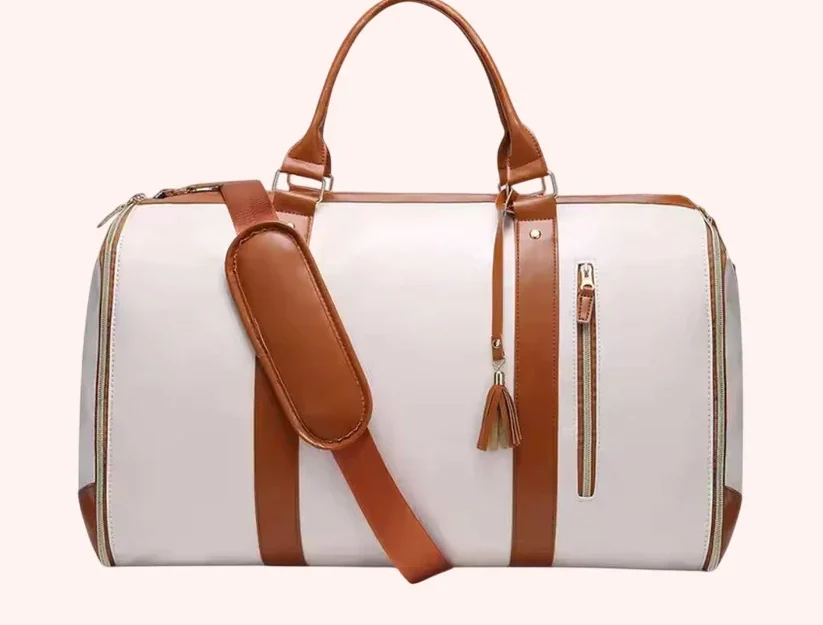
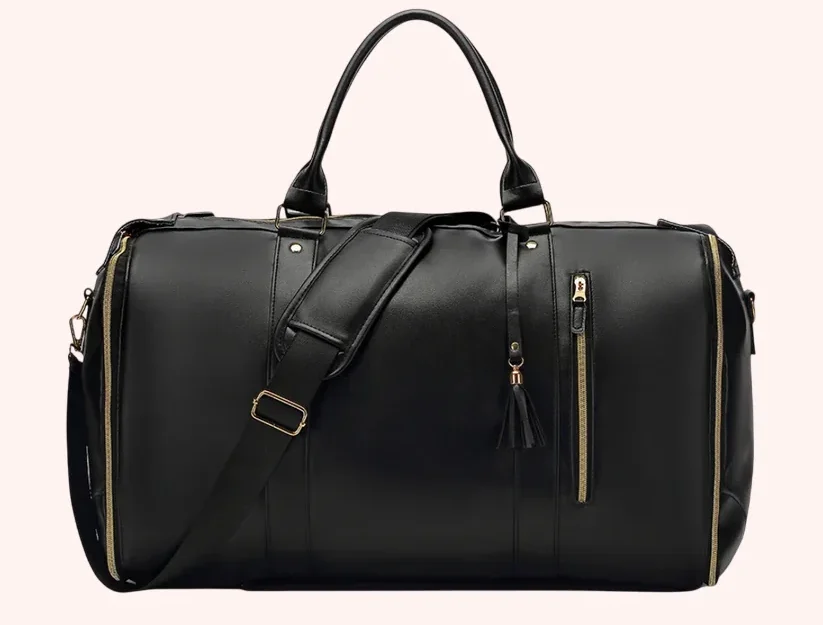
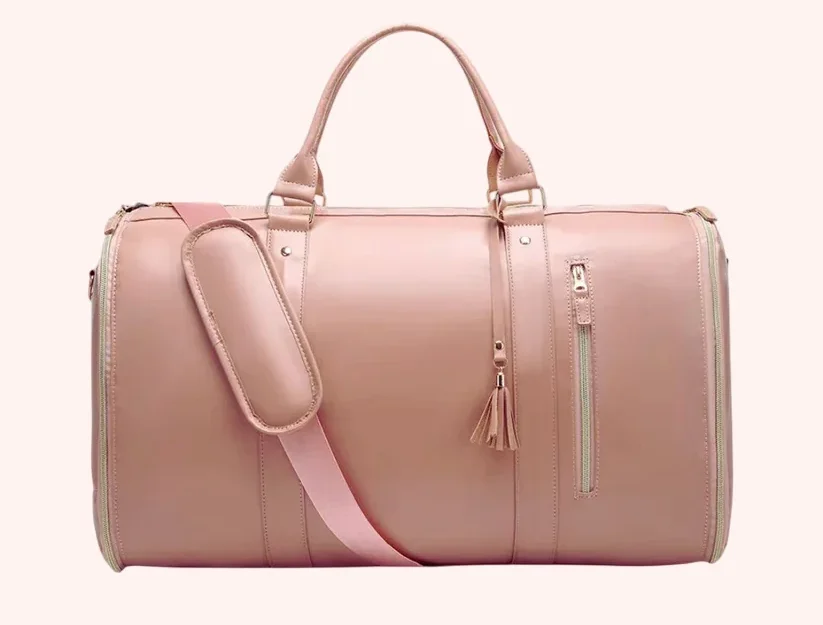
What is a duffel bag? It is a soft, oblong bag with no rigid frame, a long opening along the top and carry handles, usually with a shoulder strap. Merriam-Webster defines it simply as “a soft oblong bag for personal belongings.” People use duffels for travel, the gym, sports and gear. As for spelling, duffel or duffle are both correct: “duffel” is the main spelling in US dictionaries, and “duffle” is an accepted variant.
This guide covers where the name comes from, the main types of duffel bag, typical sizes, what they are good and bad at, and what to look for if you are buying one.
What is a duffel bag, exactly?
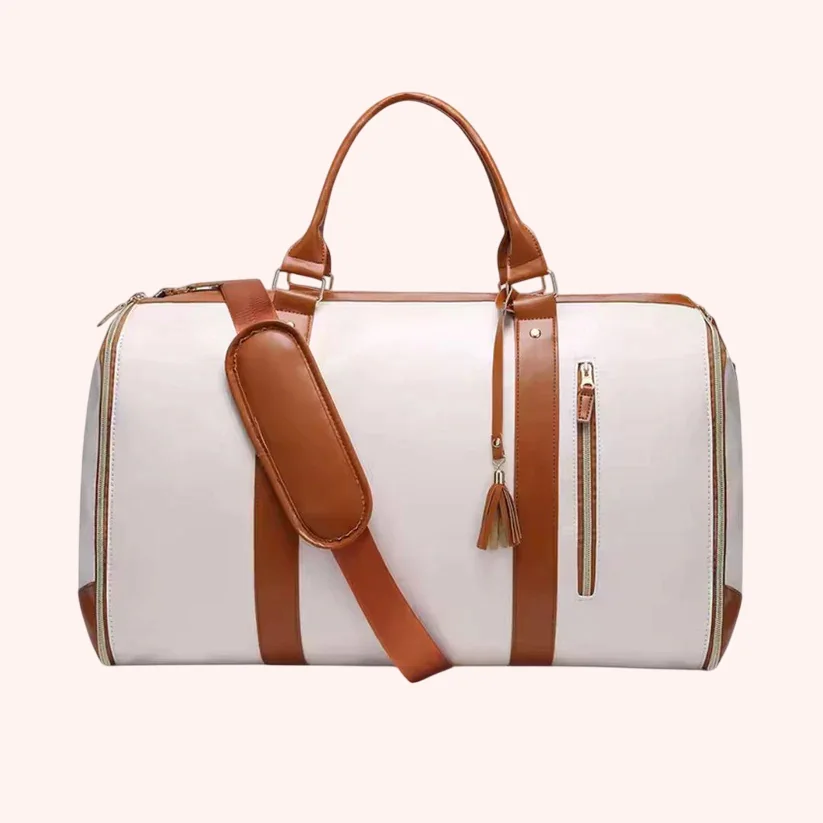
A duffel bag is defined by what it lacks as much as by what it has. There is no frame, no wheels in its classic form, and usually one large main compartment. That makes it light and flexible: it squeezes into a car trunk, a locker or a crowded overhead bin.
Most duffel bags share these features:
- A soft body in a barrel or rectangular shape.
- A top opening, usually a long zip, sometimes a drawstring on simple or military styles.
- Two carry handles on top and a detachable shoulder strap.
- One main compartment, with end or outside pockets on many models.
- Sizes from about 20 L for the gym to over 100 L for expeditions.
The word appears in Merriam-Webster’s entry for duffel bag, which dates its first known use to 1903.
Duffel or duffle: which spelling is right?
Both. Merriam-Webster’s entry for duffel lists “duffle” as a variant spelling of the same word. So duffel or duffle is a matter of style, not of right and wrong.
Brands use both. Patagonia calls its bag the Black Hole Duffel, and Peak Design sells a Travel Duffel. Herschel sells the Novel Duffle, Filson a Rugged Twill Duffle, and Away a Garment Duffle. On this site, we use “duffel,” the main US dictionary spelling.
When you search, both spellings find the same bags. When you write, pick one and stick with it.
Where the name comes from
According to Merriam-Webster, “duffel” comes from Dutch, after Duffel, a town in Belgium. The word first meant a coarse, heavy woolen material with a thick nap, with a first known use in 1677. Over time it came to mean a traveler’s kit and belongings, and then the bag that carries them. Merriam-Webster also lists the duffle coat under the same word.
Types of duffel bags
“Duffel” is the family name. These are the main members.
Travel duffel and weekender
A structured duffel bag of 30 to 60 L with pockets, a shoulder strap and often a shoe compartment. It is made to look smart in a hotel as well as on a train. Our guide to weekender vs duffel explains how the two names overlap.
Garment duffel
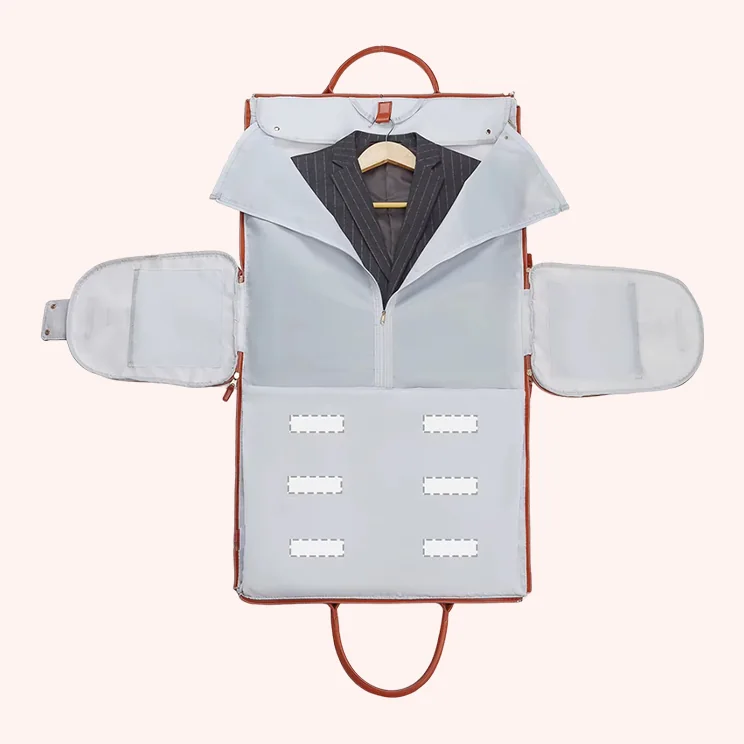
A duffel that opens flat into a garment bag, so a suit or dress can hang inside and travel without deep creases. It is the bag we make. See our comparison of the best garment duffel bags for the main options.
Carry-on duffel
A duffel sized to fit an airline’s overhead bin, usually 35 to 45 L. The depth when packed is what matters. Our list of the best carry-on duffel bags compares published depths.
Expedition duffel
A tough bag in coated fabric, from about 40 L to well over 100 L, often with backpack straps. Made for gear, rough handling and the back of a truck.
Leather and vegan leather duffel
A travel duffel in leather or a leather-look material such as PU. It is chosen for looks as much as function, and it is common as a weekender for men and women. Leather is heavier and needs more care; PU is lighter and wipes clean.
Rolling duffel
A soft duffel with wheels and a pull handle. It rolls like a suitcase but keeps soft sides. The wheels add weight and count toward size limits.
Gym and sports duffel
A simple bag, often 20 to 40 L, with a vented shoe pocket and a wide opening. Built for daily use and quick packing.
Military duffel
The classic tall, cylindrical canvas bag with a top closure and a single strap. It holds a lot, but you have to unpack from the top down to reach anything at the bottom.
Duffel bag sizes
Duffels are sized in liters. This table gives typical ranges and what each size suits. Our full guide to duffel bag sizes has real examples in inches and centimeters.
| Size | Liters | Typical use |
|---|---|---|
| Small | 20 to 30 L | Gym, one night, personal item |
| Medium | 35 to 45 L | Weekend, most carry-on duffels |
| Large | 50 to 60 L | 3 to 5 days, suit and shoes |
| Extra large | 70 L and up | A week or more, sports, checked bag |
What is a duffel bag used for?
- Short trips: a weekend away, a wedding, a business trip.
- Carry-on travel: a soft bag that fits tight overhead bins when sized right.
- Gym and sports: shoes, kit and a towel.
- Road trips: it fills the gaps in a trunk.
- Outdoor and expedition trips: gear that needs a tough, simple bag.
- A second bag: on top of a suitcase, held by a trolley sleeve.
Duffel bag vs other bags
| Compared with | Main difference | Read more |
|---|---|---|
| Suitcase | A suitcase has a frame and wheels; a duffel is lighter and softer | Duffel bag vs suitcase |
| Backpack | A backpack frees your hands; a duffel opens wider and packs flatter | Duffel vs backpack |
| Holdall | Mostly the British word for a similar bag | Holdall vs duffel vs weekender |
| Weekender | A smarter, trip-sized style of duffel | Weekender vs duffel |
Pros and cons of a duffel bag
Pros
- Light, because there is no frame or wheel system.
- Flexible: it molds into trunks, lockers and bins.
- Wide opening, so packing and finding things is quick.
- Easy to carry on stairs, trains and uneven ground.
- Folds flat for storage at home.
Cons
- All the weight sits on one shoulder or in your hands.
- Little protection for fragile items.
- Clothes can crease when pressed into a curved shape.
- Soft bags get deeper as you fill them, which can push them over carry-on limits.

Duffel bag materials
The material decides how heavy the bag is, how it looks and how much care it needs.
- Nylon and polyester: light, tough and easy to clean. Coated versions shed rain. Most gym, sports and expedition duffels use them.
- Canvas: sturdy and casual. Waxed canvas resists water better than plain canvas but needs re-waxing over the years.
- Full-grain leather: handsome and long-lived with care, but heavy and expensive, and it does not like a downpour.
- PU (polyurethane): gives a leather look at lower weight and cost. It wipes clean, but it is not leather and wears differently over time.
For the details on the last two, read PU leather vs real leather and is vegan leather durable.
How to pack and carry a duffel
A soft bag takes the shape of what you put in it, so the packing order matters. Put shoes in a shoe compartment or along the base, heavy items low in the middle, rolled clothes around them and dressier clothes flat on top. Toiletries and tomorrow’s outfit go in last. Our step-by-step guide on how to pack a duffel bag walks through each layer.
To carry a full duffel bag, wear the shoulder strap across your body so the bag rests on your hip, and use both top handles together for short carries. Keep the weight centered so the bag hangs level. On long airport walks, slide it over a suitcase handle if it has a trolley sleeve.
How to clean a duffel
Check the care label first. Many nylon and polyester duffels can be hand washed with mild soap, while leather and PU should only be wiped. Empty every pocket, shake out sand and crumbs, and spot clean marks before they set. Always let the bag air dry fully, open, before you store it.
Our bag has a PU finish: wipe it with a damp cloth and let it air dry, and never put it in a washing machine. Our guide on how to clean a duffel bag covers each material.
What to look for when buying a duffel bag
Match the bag to how you travel. These details make the biggest difference:
- Size and packed depth: check both against your airline if you fly carry-on.
- A shoe compartment: keeps dirt and weight away from clothes.
- A padded shoulder strap: a full duffel bag is heavy.
- A flat base: the bag stands up and holds its shape.
- A trolley sleeve: lets it ride on a suitcase handle.
- Material: nylon for toughness, leather for looks, PU for a leather look at lower weight and cost.
- A garment section: only if you travel with a suit or dress, but then it matters a lot.
Our own bag, the PristineBag Travel Duffel, is a garment duffel. It opens flat into a garment bag with a hanging section for one suit or dress, has a separate shoe compartment and a trolley sleeve, and comes with a padded adjustable shoulder strap and a clear shoe and toiletry pouch. The finish is a water-resistant PU with a vegan leather look, not real leather and not waterproof. It has no wheels.
Can a duffel bag be a carry-on?
Yes, if it fits your airline’s limit when packed. American, Delta and United allow 22 × 14 × 9 in (American Airlines, checked November 2026), and Southwest and Frontier allow 24 × 16 × 10 in. A soft duffel bag is measured at its widest point, and it grows as you pack.
Our bag is 20.5 × 12.5 × 10 in (52 × 32 × 25 cm) packed full: about 1 in over the 9 in depth limit at most large US airlines, and within 24 × 16 × 10 in on paper. It compresses when not full, but we have not measured how much. Use the fit checker on our carry-on size page, and read can a duffel bag be a carry-on for every detail.

Duffel bag questions
Is it duffel or duffle?
Both spellings are correct. Merriam-Webster lists “duffel” as the main entry and “duffle” as a variant. Brands use both, so search with either.
Why is it called a duffel bag?
The name comes from Duffel, a town in Belgium, which gave its name to a coarse, heavy woolen cloth. The word later came to mean a traveler’s belongings and the bag that held them.
What is the difference between a duffel bag and a gym bag?
A gym bag is a small duffel, usually 20 to 40 L, with a vented shoe pocket and few other features. A travel duffel is larger and more organized, with a shoulder strap, pockets and often a trolley sleeve.
Are duffel bags good for air travel?
Yes, for short trips. A duffel is light, fits tight bins when sized right and is easy to carry through security. For long trips with lots of walking through large airports, a suitcase or a duffel with wheels is easier on your shoulder.
Is a duffel bag a personal item?
Only a small one that fits under the seat. American Airlines, for example, limits personal items to 18 × 14 × 8 in. A 40 L or 60 L duffel is a carry-on, not a personal item.
Keep reading
More on weekender and duffel bags