What is vegan leather (and what is it made of)?
Vegan leather is any leather look-alike made without animal products. Most of it is PU or PVC on fabric, and many plant-based versions still rely on polyurethane. Five types explained.
The short answer to “what is vegan leather” is this: any material made to look and feel like leather without animal skin or other animal products. Most vegan leather is plastic, a fabric coated with polyurethane (PU) or polyvinyl chloride (PVC).
Newer plant-based versions mix cactus, apple, grape or pineapple-leaf material into the recipe, but most still rely on a polyurethane coating or binder. “Vegan” tells you what the material is not made from. It does not tell you how durable or how sustainable it is.
This guide explains what the term means, what vegan leather is made of type by type, how it compares with faux leather and real leather, and what it means if you are buying a bag. We make a travel duffel with a PU finish, so we have a stake in this, and we will keep the facts plain.
What does vegan leather mean?
The word “vegan” comes from a way of living that avoids animal products. The Vegan Society’s definition of veganism covers clothing as well as food: it seeks to exclude, as far as possible and practicable, the exploitation of animals for food, clothing or any other purpose.
So vegan leather is a leather look-alike made without animal hide. The word “leather” in the name describes the appearance, not the material. In the US, the FTC’s leather guides do not define “vegan leather”, but they do say that materials that look like leather and are not should be disclosed, with terms like “imitation leather”, “not leather”, “vinyl” or “plastic”.
In practice, “vegan leather” is a marketing name. It is accurate about what is absent, but it covers materials that behave very differently.
What is vegan leather made of?
Most vegan leather made today falls into one of five groups. The most detailed independent look at the newer ones we found is a 2021 study from the FILK Freiberg Institute in Germany, published in the journal Coatings, which examined nine leather alternatives under the microscope and in standard leather tests.
| Type | What it is made of | Examples |
|---|---|---|
| PU (polyurethane) | Fabric, often polyester, coated with polyurethane layers | Most vegan leather bags, shoes and jackets |
| PVC (vinyl) | Fabric coated with plasticized polyvinyl chloride | Some bags, upholstery, cheaper accessories |
| Plant-filled PU | PU-coated fabric with plant material mixed into the coating | Cactus (Desserto), apple (Appleskin), grape (Vegea) |
| Plant fiber non-wovens | Pressed plant fibers with a thin polymer finish | Pineapple leaf fiber (Piñatex) |
| Grown materials | Sheets grown from fungi (mycelium) or bacteria | Mushroom leather, kombucha leather |
PU vegan leather
This is the most common type for bags. A woven or knitted fabric is coated with a foamed polyurethane layer, a denser layer and a thin topcoat, and a leather grain is embossed into the surface. The FILK authors note that polyester coated with PU or PVC is a fully fossil-based material. Our guide to what PU leather is explains how it is made and how it ages.
PVC vegan leather
PVC, often sold as vinyl or leatherette, is the older type. PVC is stiff on its own, so it needs plasticizers to make it soft. The EPA notes that phthalates are used primarily as plasticizers in PVC products. Over time, as those additives migrate out, vinyl can stiffen and crack.
Plant-based vegan leather made with cactus, apple or grape
These materials replace part of the plastic with plant waste such as cactus leaves, apple pomace or grape residue. In the FILK study, the Desserto, Appleskin and Vegea samples were all built like ordinary PU-coated fabric, with plant particles mixed into the polyurethane layers. The authors concluded that the bulk of these materials was still polyurethane.
Desserto describes its material on its own site as a cactus-based, plant-based material with high resistance to abrasion and tearing. Both things can be true: a material can contain cactus and still rely on a PU coating to work.
Pineapple leaf fiber
Piñatex starts as a non-woven mat of fibers from pineapple leaves, a by-product of the fruit harvest. The FILK sample had a thin polymer finish, and the analysis found a notable share of polyurethane or acrylate in it. The authors described it as closer to a coated textile than to leather in look and feel.
Mushroom and other grown materials
Mycelium leather is grown from the root-like threads of fungi, and kombucha leather from the film that bacteria and yeast produce. The samples in the 2021 study had no plastic coating at all. They were also much weaker than leather and did not come close to the strength expected of shoe uppers. This area is changing quickly, so check current product data before you buy.
Cork and others
You may also see cork fabrics and materials made with recycled plastics. The FILK authors note that cork-based materials also need a textile backing for strength. As with the others, ask what holds the material together and what is on the surface.
Vegan leather vs faux leather: is there a difference?
Mostly no. Faux leather means imitation leather. Vegan leather means leather-look material without animal products. In stores the two names are used for the same PU and PVC materials, and the choice of word is mostly marketing.
There is one catch: not every imitation is fully animal-free.
Some products sold as PU leather use a split-leather backing, the lower layer of a hide, under a polyurethane coat. Bonded leather is made from ground leather scraps with binders. Neither is vegan, so read the label carefully if that matters to you.
Vegan leather vs real leather
Real leather is tanned animal hide. In the FILK tests, the full-grain leather sample beat every alternative on its combination of strength, flexing and breathability, though some alternatives scored well on single properties. The authors concluded that none of the alternatives matched leather’s all-round performance.
Vegan leather has its own advantages. It sheds rain better, wipes clean without conditioner, keeps a uniform color and usually costs less. Our comparison of PU leather vs real leather covers strength, water, aging and repair in detail.
Is vegan leather better for the environment?
It is not a simple yes. Vegan leather avoids animal farming, which matters to many buyers, and leather production is criticized for the greenhouse gas emissions of cattle. Most vegan leather, though, is made from fossil-based plastic and does not biodegrade in normal conditions.
Plant-filled materials raise the share of bio-based content. The FILK authors were careful here: adding plant by-products raised the bio-based content but gave no measurable physical advantage, and they wrote that only a proper life cycle assessment could show the environmental benefit. Treat broad green claims in either direction with caution, and look for product-specific data.
The most practical environmental choice is often the simplest one: buy a bag you will use for a long time and look after it well.
Is vegan leather durable?
Reasonably. A good PU-coated fabric handles years of normal bending in a bag. It tears more easily than leather, and its coating breaks down slowly with moisture, heat and sunlight, which is why vegan leather can eventually crack or peel. Our guide on how durable vegan leather is goes through the lab data and the habits that extend its life.
How to spot vegan leather and read the label
- Read the fiber content. Words like “polyurethane”, “PU”, “PVC”, “vinyl” or “man-made materials” mean an imitation.
- Look for percentages. Plant-based materials often list their make-up. If the label lists polyurethane, the material is partly plastic.
- Check the inside of a seam or pocket. A woven or knitted fabric under a thin coating means a coated material.
- Ask about backing. If the price seems high for “PU”, ask whether there is a split-leather layer underneath.

Questions to ask before you buy
Product pages rarely tell the whole story. These questions get you most of the way to an informed choice:
- Which polymer is it? PU, PVC or a plant-filled blend. The answer tells you how it will age and what to avoid when cleaning.
- What is the backing? A dense woven or knitted fabric resists tearing better than a thin, loose one. A split-leather backing means the item is not vegan.
- Has the coating been tested for hydrolysis? Labs such as SATRA age polyurethane in warm, humid conditions under a method called TM344, then check for cracking and loss of adhesion. Few brands publish results, but a clear answer is a good sign.
- Is it water-resistant or waterproof? Under the FTC’s guides, “waterproof” should only be used when a product keeps water from its contents under normal use for its anticipated life. Most bags are water-resistant.
- What are the care instructions? A maker that tells you exactly how to clean and store the material has thought about how it ages.
- What is the return policy? Feel and finish are hard to judge online, so check how returns work before you order.
What vegan leather means for a travel bag
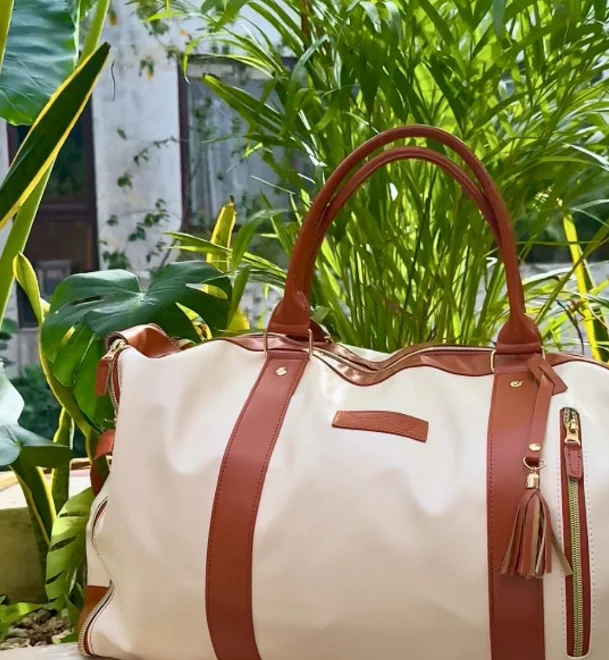
For luggage, the coated surface brings real advantages. Rain and spilled coffee bead and wipe off, there is no conditioning routine, and a damp cloth deals with airport grime. The downsides matter too: seams and zips still let water in, a sharp edge can cut the coating, and heat and damp storage shorten its life.
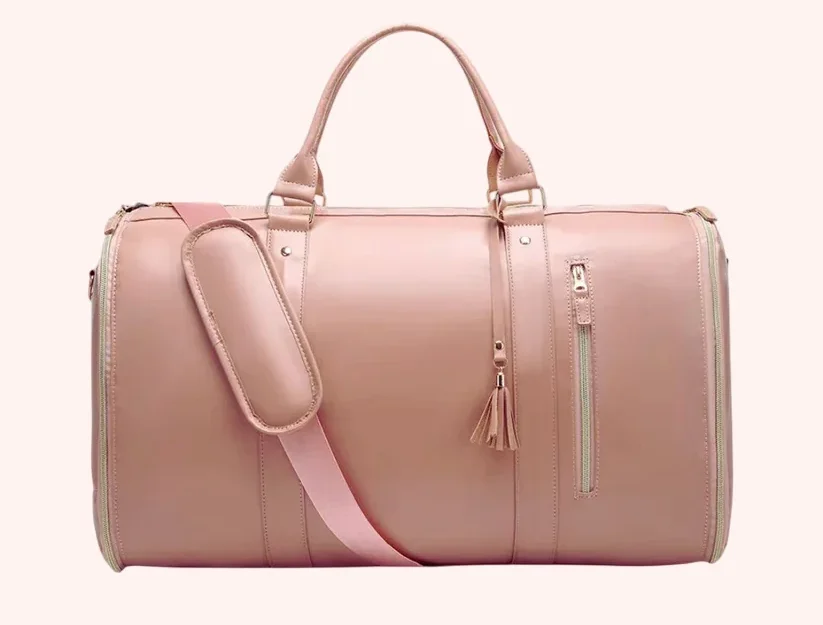
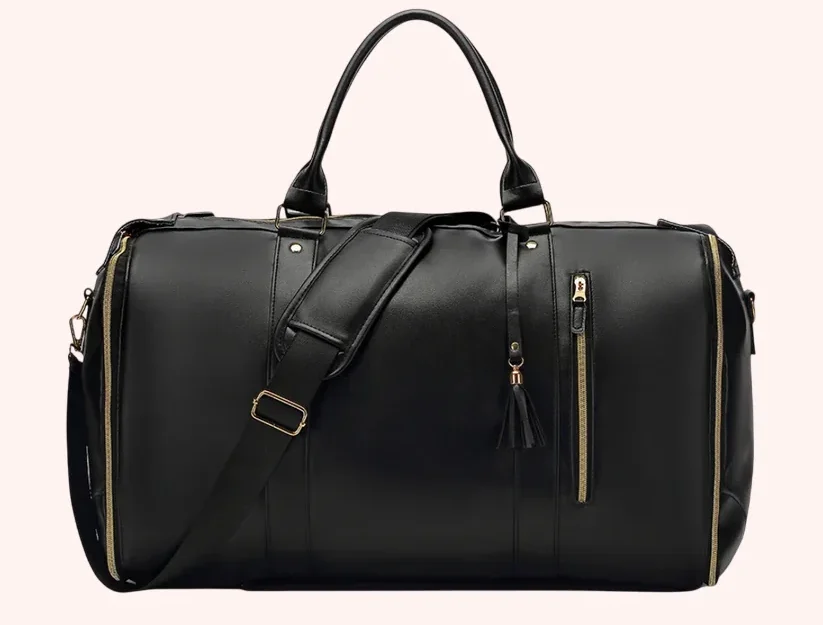
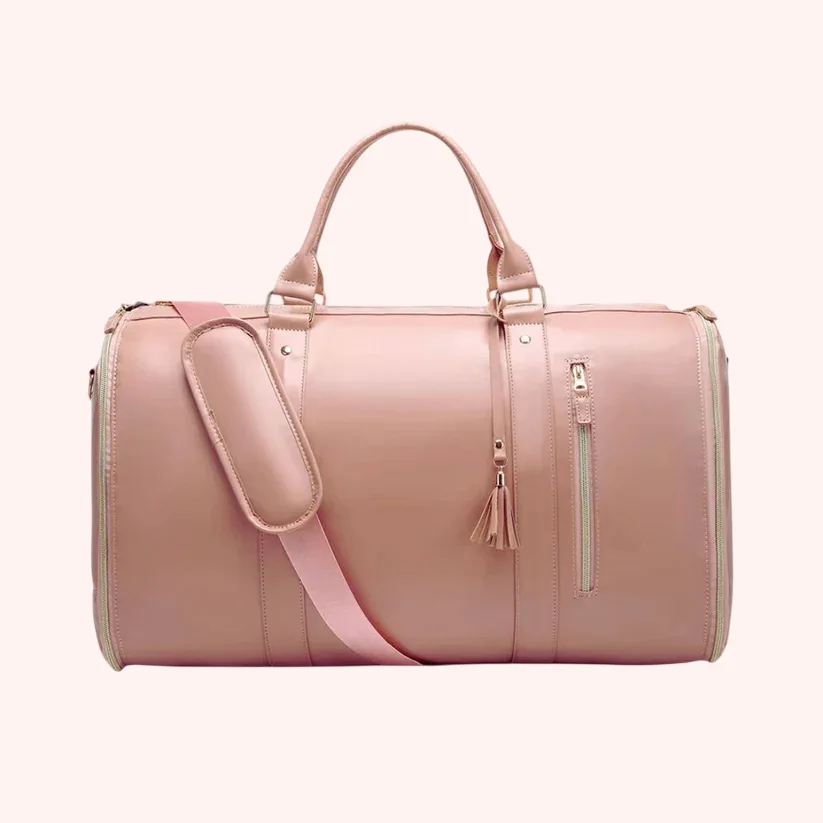
Our bag, the PristineBag Travel Duffel, has a water-resistant PU finish with a vegan leather look. It is not waterproof. Clean it with a damp cloth and let it air dry; it does not go in the washing machine. It opens flat into a garment bag for one suit or dress, keeps shoes in a separate compartment, and slides over a suitcase handle with its trolley sleeve.
If you are comparing bags in both materials, our roundup of leather and vegan leather weekender bags is a good place to start.
How to care for vegan leather
- Wipe it with a damp cloth and a drop of mild soap, then with plain water.
- Air dry it at room temperature, away from heaters and direct sun.
- Keep alcohol, acetone and solvent spot removers off it.
- Never machine wash or dry clean it.
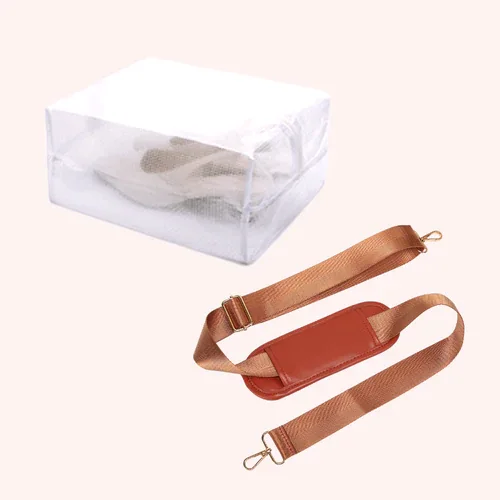
- Store it cool and dry in a breathable dust bag, not sealed plastic.
For full instructions and stain tips, see how to clean a faux leather bag. If the surface has already started to lift, read our guide to fixing peeling faux leather, and browse the rest of our bag care guides.
Vegan leather questions
What is vegan leather made of?
Usually fabric coated with polyurethane (PU) or PVC. Plant-based versions add cactus, apple, grape or pineapple-leaf material, and most of them still use a polyurethane coating or binder.
Is vegan leather real leather?
No. It contains no animal hide. “Leather” in the name describes the look. Under US guidance, imitation leather should be labeled as such.
Is vegan leather just plastic?
Most of it is, or is largely plastic. PU and PVC types are plastic coatings on fabric, and many plant-based types still contain a lot of polyurethane. Some grown materials, such as the mycelium sample in the 2021 study, had no plastic coating at all.
Does vegan leather crack or peel?
It can. How soon depends on the coating and how the item is used and stored. The coating slowly reacts with moisture and is aged by heat and light, and it starts to lift at handles, corners and folds. Cool, dry storage slows this down.
Is vegan leather waterproof?
The surface sheds water well, but bags made from it are rarely waterproof because water gets in at seams and zips. Water-resistant is the accurate word for most vegan leather bags, including ours.
Keep reading
More on bag care and materials