How to pack clothes without wrinkles
Fewer, softer folds, the right fabric and a bag that keeps clothes from sliding. Seven methods, plus how to pack a dress shirt so it arrives smooth.
To pack clothes without wrinkles, give every garment as few folds as possible, make those folds soft and put them on the seams, and stop the clothes from sliding around in the bag. Lay crisp pieces flat, roll knits, cushion folds with tissue or a thin plastic bag, fill the bag so nothing shifts, and hang the pieces that crease worst, such as a suit or a dress. Then unpack as soon as you arrive.
Technique is half of the answer. The other half is fabric: some fibers spring back after a day folded in a bag, and some keep every line you give them. This guide covers both, so you can pack clothes without wrinkles in any bag and pick the right method for each item.
Why clothes wrinkle in a suitcase
A wrinkle is a fold that has set. Fibers bend under pressure, and if they stay bent long enough, especially with some warmth and moisture, they hold the new shape. A packed bag supplies all of that: hours of weight from the clothes on top, plus whatever heat and humidity the trip adds.
Two things make it worse. Sharp folds concentrate the pressure on one line, which gives you a hard crease. Movement creates the soft, random rumples you see when clothes shift every time the bag is lifted. To pack clothes without wrinkles, you fight one or both of these.
Fiber matters too. Wool fibers behave like tiny coiled springs that return to shape after being bent, according to The Woolmark Company, which is why a wool suit recovers from a fold better than a cotton one. Cotton and linen have no such spring, so they keep a crease until heat, steam or water relaxes it.
Fabrics that resist wrinkles, and fabrics that do not
Check the fabric before you choose how to fold it. The care label tells you how to wash, dry and, if needed, iron the garment. In the US the FTC Care Labeling Rule requires those instructions, so the label also tells you how much heat you can use to remove a crease later.
| Fabric | How it behaves in a bag | Best way to pack it |
|---|---|---|
| Wool and merino | Recovers well from folds | Fold on the seams or hang; steam on arrival |
| Polyester and nylon blends | Usually resist creasing | Fold or roll |
| Cotton knits (T-shirts, jersey) | Soft creases that drop out as you wear them | Roll |
| Cotton poplin (most dress shirts) | Creases at every fold | Button, fold around tissue, pack on top |
| Linen | Creases easily and visibly | Fold loosely or accept the relaxed look |
| Silk, rayon and viscose | Can mark at sharp folds | Layer with tissue or plastic, fold loosely |
If you travel often, the simplest long-term fix is buying the next dress shirt or pair of trousers in wool, a wool blend or a knit. You will still fold clothes, but the folds will matter less.
How to pack clothes without wrinkles: 7 methods
You can pack clothes without wrinkles in a suitcase, a carry-on or a duffel with these methods. Combine them: most people fold crisp pieces, roll knits and hang one or two items that matter.
1. Fold clothes along their seams
Every fold is a possible crease, so fold clothes as few times as the bag allows, and put the folds where the garment already has a line: the side seams of a shirt, the pressed crease of trousers, the shoulder seam of a jacket. A crease on a seam is hard to see. A crease across the chest or the front of a skirt is not.
Make folds soft rather than sharp. Do not press them flat with your hand. A rounded fold spreads the pressure over more fabric, so each fiber bends less.
2. Cushion the folds with tissue or thin plastic
When you fold clothes for a trip, lay a sheet of tissue paper or a dry cleaner’s plastic bag inside each fold. Tissue fills the fold so it stays rounded. Plastic lets the fabric slide against itself instead of gripping, so layers shift smoothly rather than bunching when the bag moves.
This works well for a dress shirt, a blouse or anything silky. It costs nothing if you keep the bags from the dry cleaner. Leave the ends open so moisture can escape.
3. Roll knits and casual pieces
Knits are easier to roll than to fold. T-shirts, jersey dresses, leggings and most sweaters can be rolled. A roll has no sharp fold line, only a gentle curve, and knit fabric relaxes back to flat once you wear it. Roll from the hem up, tight enough to hold its shape, not so tight that the fabric twists.
Rolling is not a fix for everything. A crisp dress shirt or linen trousers rolled tightly can come out with long ripples. Keep rolling for fabrics that stretch.
4. Bundle wrap the pieces that matter
Bundle wrapping means you do not fold clothes at all. You wrap them around a soft core, so every piece is curved instead of creased. It takes about ten minutes and suits a work trip with a dress shirt, trousers and a blazer.
- Make a core: a small pouch or packing cube filled with underwear and socks.
- Lay the most structured item flat in the bag first, such as a blazer face down, then trousers across it, then a buttoned dress shirt face down on top.
- Put the core in the middle of the pile.
- Wrap the items around the core one at a time, starting with the last one you laid down.
- Zip or strap the bundle in place so it cannot shift.
The downside is access. To reach the blazer, you unwrap everything. Use a bundle for a short trip where you will unpack into a closet on the first day.
5. Stop clothes from shifting
A half-empty bag lets clothes slide and bunch every time you lift it. Fill gaps with socks, a scarf or a rolled T-shirt, use packing cubes or a folding board to hold a stack in place, and tighten any internal straps. The aim is a full bag, not a crushed one.
Avoid overstuffing. If you have to sit on the lid to close it, the weight presses every fold into a crease. Fill packing cubes snugly; an over-filled compression cube does the same thing as a forced lid.
6. Keep heavy things at the bottom
Shoes, a toiletry bag and chargers press down on whatever is under them, and a dress shirt under a pair of shoes will crease. Put them at the base, or at the wheel end of a rolling suitcase, with folded clothes above. In a bag with a separate shoe compartment, shoes stay out of the clothes section entirely. Our guide on how to pack shoes in a suitcase covers this in detail.
7. Hang what creases worst
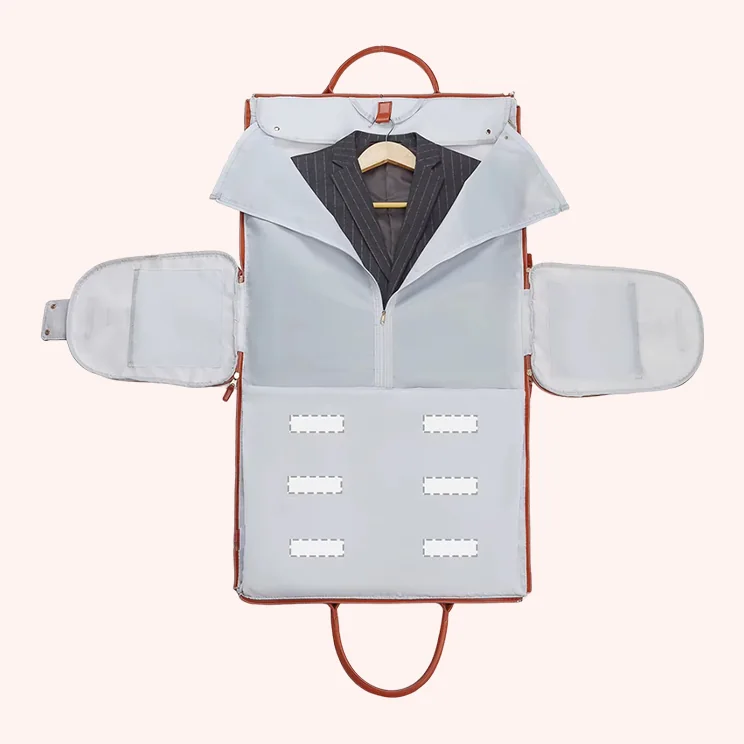
Some garments are hard to fold without leaving a mark somewhere: a suit jacket, a structured dress, trousers with a pressed crease. The best answer is to barely fold them at all. Keep them on a hanger, inside a garment bag, with one long soft fold.
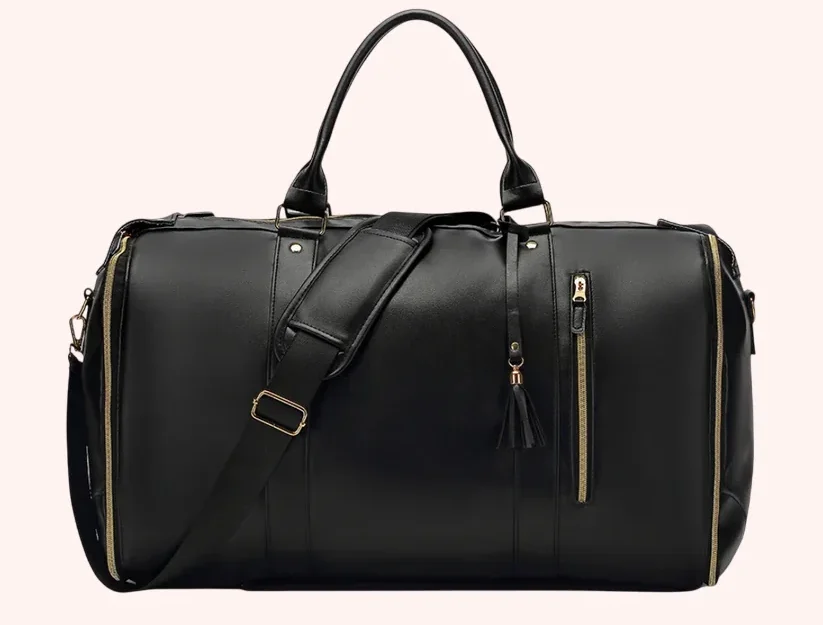
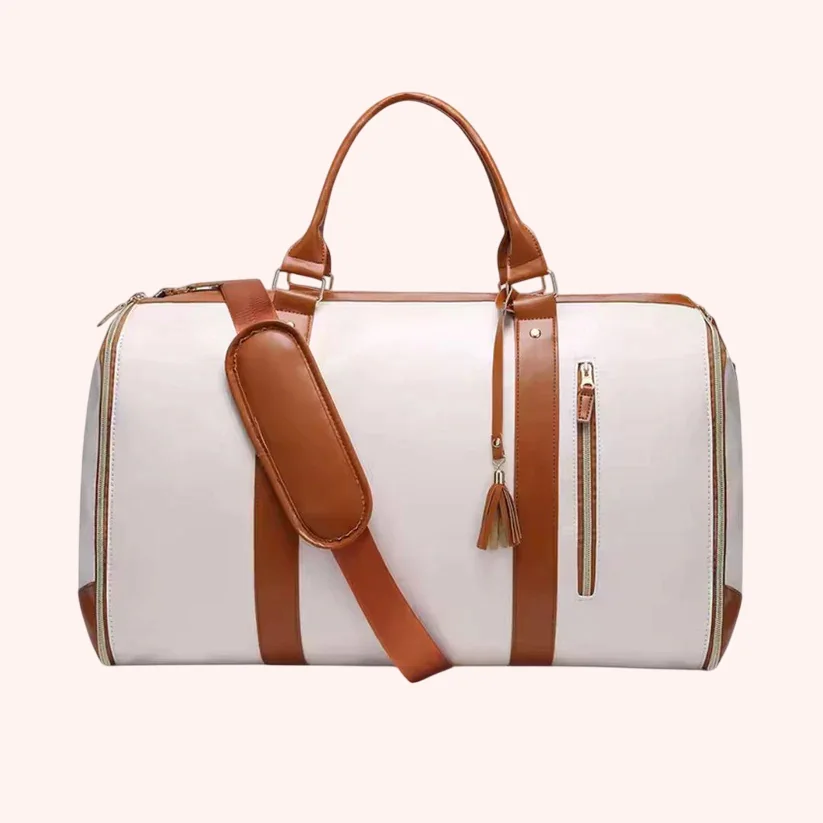
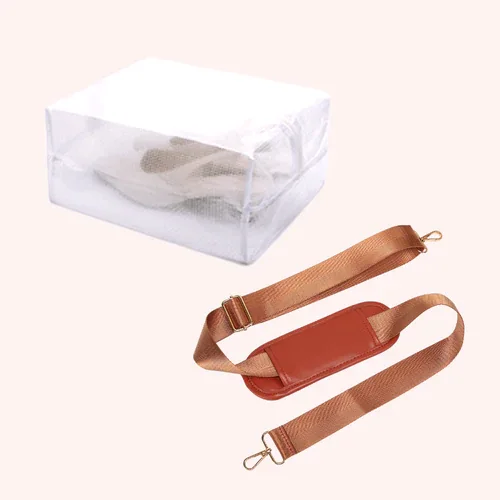
That is what a garment bag does, and it is what we designed the PristineBag Travel Duffel to do. The bag opens flat into a hanging section for one suit or dress: you hang the garment, fold the sides of the bag in over it and zip it closed. The rest of the duffel takes folded clothes, and a separate shoe compartment keeps soles away from fabric.
For the full steps with a suit, see how to pack a suit in a carry-on. For a dress, see how to pack a dress without wrinkles, and for the hanging method itself, how to use a garment bag.
How to pack a dress shirt without wrinkles
A cotton dress shirt is the item most travelers worry about, because poplin and broadcloth show every crease. This method uses the shirt’s own structure to hold its shape.
- Start with a clean, freshly pressed dress shirt. A crease that is already in the fabric sets deeper in a bag.
- Button the collar button and every second button down the front. Buttons keep the front from shifting and folding on itself.
- Lay the dress shirt face down. Fold one side in along the shoulder seam, then lay the sleeve flat down the back. Repeat on the other side.
- Put a sheet of tissue or a dry cleaner’s bag over the back.
- Fold the tail up by a third, then fold again so the bottom meets the collar. That gives you two soft folds, both below the chest.
- Tuck a rolled pair of socks inside the collar so it keeps its curve.
- Pack the dress shirt face up near the top of the bag, or in a shirt folder that holds the shape.
A folding board makes every shirt the same width, so a stack stays flat and square. Our guide to folding dress shirts for travel covers the folds in more detail.
If you pack two or more dress shirts, alternate the collar direction so the collars do not pile up on one side. Keep the dress shirt stack on top of other clothes, never under shoes or a toiletry bag.
Trousers, skirts, dresses and jackets
Trousers
Line up the legs along the pressed crease, then fold them once at the knee, or in thirds for a smaller bag. For fewer marks, lay the waist in the bag and let the legs hang over the side, pack other clothes on top, then fold the legs back over the pile. The pile becomes a soft core for the fold.
Skirts and dresses
Fold a skirt or dress lengthwise along its side seams first, then across the width with tissue in each fold. Keep pleated skirts flat with the pleats lined up, and pack them near the top. A long or structured dress travels best on a hanger in a garment section.
Jackets and blazers
If you must fold clothes with shoulders, such as a jacket, turn one shoulder inside out, tuck the other shoulder into it, and fold the jacket once across the middle. The lining ends up on the outside and takes any rubbing. Our guide on how to fold a suit jacket for travel goes into more detail.
A packing order that keeps clothes smooth
The order you pack in matters as much as how you fold clothes. In a duffel or a suitcase, work from heavy to delicate:
- Shoes and toiletries at the base, or in their own compartments.
- Rolled knits, underwear and socks in a flat layer above them.
- Trousers and folded sweaters next.
- Shirts and blouses on top, face up.
- The suit or dress in a garment section, or laid flat on the very top.
For a full walkthrough with a soft bag, see how to pack a duffel bag. If you only have a carry-on, our guide on how to pack a carry-on goes through it step by step.

What to do when you arrive
Even when you pack clothes without wrinkles, the last step happens at the hotel. Unpack first, before you go out. Clothes that sit folded overnight have more time to set, and light creases in wool and knits often fade on a hanger or as you wear them.
- Steam in the bathroom. Hang the garment near the shower while it runs hot, with the door closed and the clothes out of the spray. Woolmark suggests this for wool suits in its guide to travel clothes.
- Use a travel steamer or the hotel iron. Check the care label for the right heat setting first.
- Mist and smooth. Spray a light mist of water or a wrinkle-release spray, tug the fabric gently straight, and let it hang dry.
- Hang it while you shower. Even without direct steam, a humid bathroom helps relax a stubborn crease.
Common mistakes to avoid
- Packing clothes that are already creased, or still damp from the wash.
- Pressing folds flat with your hand when you fold clothes.
- Leaving the bag half empty, so everything slides.
- Forcing the lid on an overstuffed bag.
- Putting shoes or toiletries on top of folded shirts.
- Rolling crisp cotton or linen tightly.
- Leaving everything in the bag overnight after you arrive.
Fix those seven and you will pack clothes without wrinkles in most bags, even without special gear.
FAQ about packing without wrinkles
Is rolling or folding better for avoiding wrinkles?
It depends on the fabric. Roll knits such as T-shirts, jersey and sweaters. Fold clothes made of crisp woven fabric, such as a dress shirt, chinos or linen, along their seams with tissue in the folds. Hang structured pieces such as suits and formal dresses.
Do packing cubes cause wrinkles?
Cubes help you pack clothes without wrinkles when they are filled snugly, because the clothes inside cannot slide. They cause creases when you overfill them and force the zip, which presses every fold flat. Fill them so they close easily.
Does dry cleaning plastic really help?
It helps the fabric slide instead of gripping, and it keeps the fold rounder, so a sharp crease is less likely to set. It will not make linen or crisp cotton crease-free, but it reduces the hard lines.
What is the quickest way to pack clothes without wrinkles?
Roll the knits, fold the rest on the seams with a dry cleaner’s bag inside each fold, fill the gaps so nothing slides, and unpack on arrival. If you carry a suit or a formal dress, hang it rather than fold it.
Can I pack a suit in a carry-on without wrinkles?
Yes, if you hang it in a garment section or fold it carefully with the shoulders turned inside out and tissue in the fold. Check that your bag meets your airline’s limits first; our carry-on size guide lists them by airline.
Keep reading
More on packing tips